About WIRE
A platform for endoscopic research — built to make excellent science repeatable, inclusive, and sustainable.
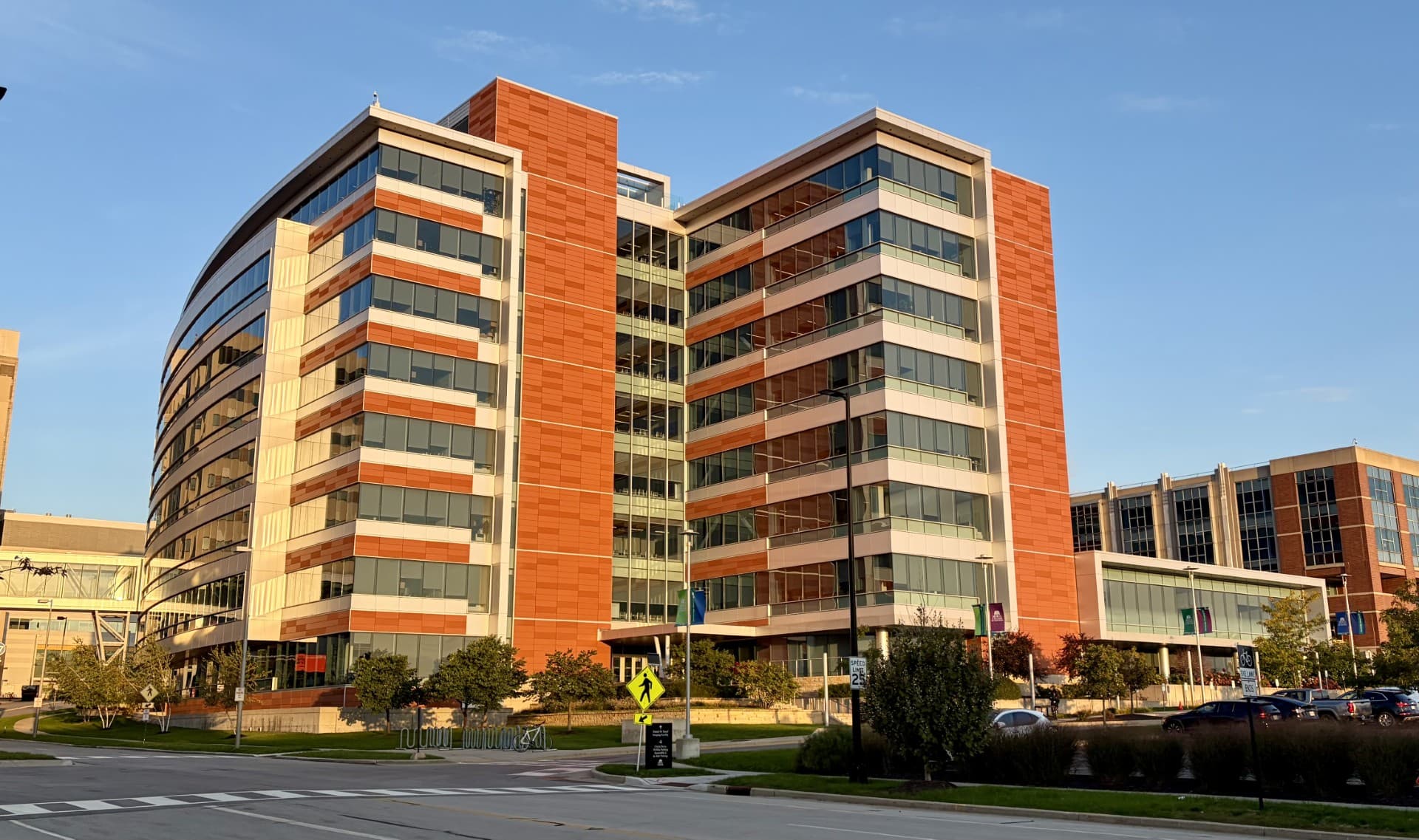

The Wisconsin Institute for Research in Endoscopy (WIRE) is a structured, investigator-led clinical research lab at the Medical College of Wisconsin. We exist to advance high-impact, methodologically rigorous research across the full spectrum of gastrointestinal endoscopy.
WIRE is not a single study, a single grant, or a single investigator. It is durable research infrastructure — a shared hub where faculty, trainees, and coordinators collaborate on concurrent studies with a common identity and shared resources. We function as both a research engine for endoscopy-focused trials and an ecosystem for training and mentorship at every career stage.
Mission & Vision
Mission
To create a high-functioning, investigator-led clinical research lab that elevates endoscopic research through methodological rigor, transparent collaboration, and inclusive mentorship.
Vision
WIRE will be an internationally recognized model for sustainable, transparent, and exceptional clinical research in all areas of gastrointestinal endoscopy.
Why WIRE Exists
Academic endoscopy has no shortage of talent or important questions. What it lacks is structure and methodological discipline.
Binary endpoints oversimplify complex realities. Definitions change from trial to trial. Outcomes get chosen because they're convenient to measure, not because they matter clinically. Observational studies are thrown together retrospectively. Strong work fails to change practice because no one thought about implementation during the design phase. WIRE exists to fix this.
Changing How Evidence Is Generated
WIRE isn't just another clinical research group. It's a methodology lab.
We don't just run trials—we rethink how they're built. We question how endpoints are defined, how outcomes are interpreted, how transparency is maintained. We use hierarchical composite endpoints when they're warranted. We separate exploratory work from confirmatory analyses. We register observational studies prospectively. When randomization isn't possible, we use target trial emulation.
The point isn't to rack up publications. It's to produce evidence that lasts, that can be reproduced, that actually changes practice.
Infrastructure That Makes It Possible
You can't do rigorous work without support.
WIRE provides shared coordinators, standardized workflows, centralized data systems, and consistent oversight. Regular meetings keep momentum going. Faculty and trainees don't have to figure out IRB submissions, database design, or analysis plans by themselves.
This makes it easier to start. A fellow or junior faculty member can go from idea to protocol with actual help. Projects don't collapse when one person gets overwhelmed.
Shared Leadership and Shared Mentorship
WIRE replaces isolated work with collective ownership.
Projects have distributed leadership. Faculty contribute where they're strongest—trial design, endpoint development, analysis, writing. Studies don't depend on one person holding everything together.
Learners work within this structure through shared mentorship. Multiple faculty guide them through a project's full arc. This builds continuity, increases output, and exposes Scholars to different methodological perspectives. It also spreads the mentorship load, which makes the experience better for everyone.
The Long-Term Goal
The goal is simple: become a global leader in endoscopic and procedural research by answering the most important clinical questions and by changing how those questions get asked in the first place.
Five Research Pillars
Everything we do falls within these domains.
Clinical Trial Design & Conduct
Not just running trials — rethinking how procedural evidence is generated. Core outcome sets, novel endpoints, and methods that address skill-based bias.
Read moreEquity & Engagement
Equity in who does the research and who it serves. A diverse team, inclusive enrollment, and study designs that reach the populations that need them most.
Read moreMeta-Research & Scientific Integrity
Studying how research itself is conducted. We hold ourselves and the field to the highest standards of transparency and reproducibility.
Read moreTransparent Observational Studies
Every study gets a registered protocol before it starts — prospective cohorts, EHR analyses, and retrospective reviews alike. No fishing expeditions.
Read moreImplementation & Impact
Studying how published trials translate to real-world practice — and closing the gap between evidence and the care patients actually receive.
Read more
Core Values
These aren't aspirational — they're operational. Every study we design, every collaboration we enter, and every trainee we mentor reflects these commitments.

Inclusivity & Team Science
Every project is a collaboration. Faculty, fellows, residents, and students work side by side — because the best ideas don't respect hierarchy.
Interlocking rings on our crest

Scientific Integrity
Pre-registration, transparent reporting, and honest results — even when they're not what we expected. The science comes first.
The scale and book on our crest

Innovation & Reinvention
We question assumptions, challenge convention, and build new approaches when old ones fall short.
The phoenix on our crest

Agility & Pragmatism
Speed matters. We design studies that are feasible, move fast from concept to enrollment, and adapt when the landscape shifts.
The greyhound on our crest