

A clinical research lab at the Medical College of Wisconsin leading the future of endoscopic evidence generation.
Milwaukee, on Lake Michigan · Photo: William Hadley
Our research
Five research pillars
Everything we do falls within these domains.
Clinical Trial Design & Conduct
Not just running trials — rethinking how procedural evidence is generated. Core outcome sets, novel endpoints, and methods that address skill-based bias.
Read moreEquity & Engagement
Equity in who does the research and who it serves. A diverse team, inclusive enrollment, and study designs that reach the populations that need them most.
Read moreMeta-Research & Scientific Integrity
Studying how research itself is conducted. We hold ourselves and the field to the highest standards of transparency and reproducibility.
Read moreTransparent Observational Studies
Every study gets a registered protocol before it starts — prospective cohorts, EHR analyses, and retrospective reviews alike. No fishing expeditions.
Read moreImplementation & Impact
Studying how published trials translate to real-world practice — and closing the gap between evidence and the care patients actually receive.
Read more
Our values
What our crest stands for
Each quarter of the shield is a commitment we hold ourselves to, in every study we design and every trainee we mentor.
Interlocking rings
Inclusivity & Team Science
Every project is a collaboration. Faculty, fellows, residents, and students work side by side — because the best ideas don't respect hierarchy.
Scale and book
Scientific Integrity
Pre-registration, transparent reporting, and honest results — even when they're not what we expected. The science comes first.
Phoenix
Innovation & Reinvention
We question assumptions, challenge convention, and build new approaches when old ones fall short.
Greyhound
Agility & Pragmatism
Speed matters. We design studies that are feasible, move fast from concept to enrollment, and adapt when the landscape shifts.
Featured studies
Trials and programs in development
The next generation of WIRE studies, from a multicenter anticoagulation trial to the methods that will shape how procedural trials are run.

Multicenter RCT
RESUME
A multicenter, adaptive randomized trial of when to resume DOACs after high-risk GI endoscopy.
Under review · NHLBI & CIHR

Methodology
ADAPT
Advancing Design and Analysis for Procedural Trials: core outcome sets, ranked endpoints, and operator-aware methods.
In preparation · NIDDK R01

Pragmatic Trial
CONTEND
A pragmatic trial of stopping versus continuing imaging surveillance for small, stable pancreatic cysts in older adults.
In development · PCORI

Feasibility Trial
RENEW
Tests MyChart recruitment, remote e-consent, and Epic-embedded randomization as the groundwork for pragmatic platform trials in GI endoscopy.
In development
Latest
News
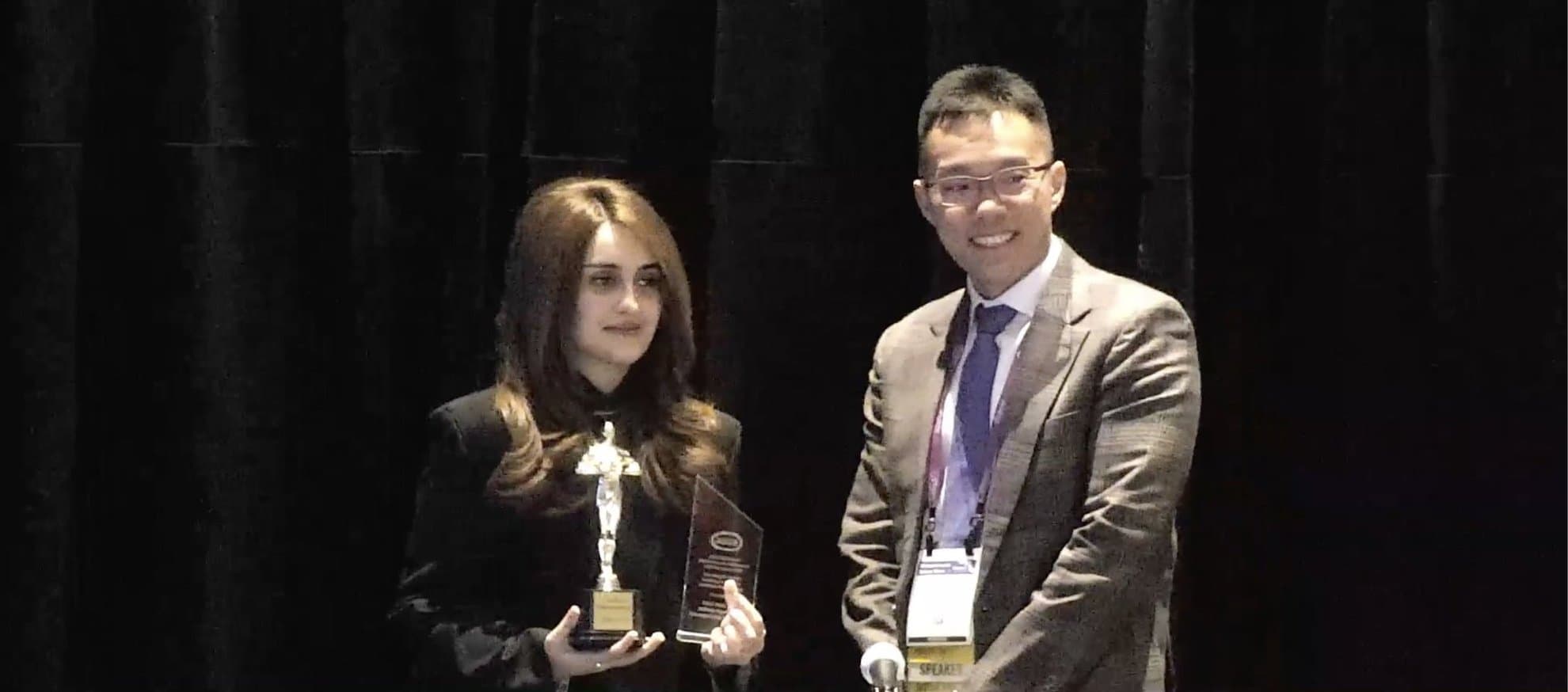
Award
Talia Malik and Dr. Dua Win Mel Schapiro Award and VideoGIE Best of the Best at DDW 2026
Talia Malik, MD, a gastroenterology fellow and WIRE Mentee working under the mentorship of Dr. Kulwinder Dua, has been awarded the Mel Schapiro Award and VideoGIE Best of the Best at Digestive Disease Week 2026 for their presentation "Regrowing the Human Esophagus In Vivo with Endoscopic Bioengineering," selected from more than 800 abstract submissions.
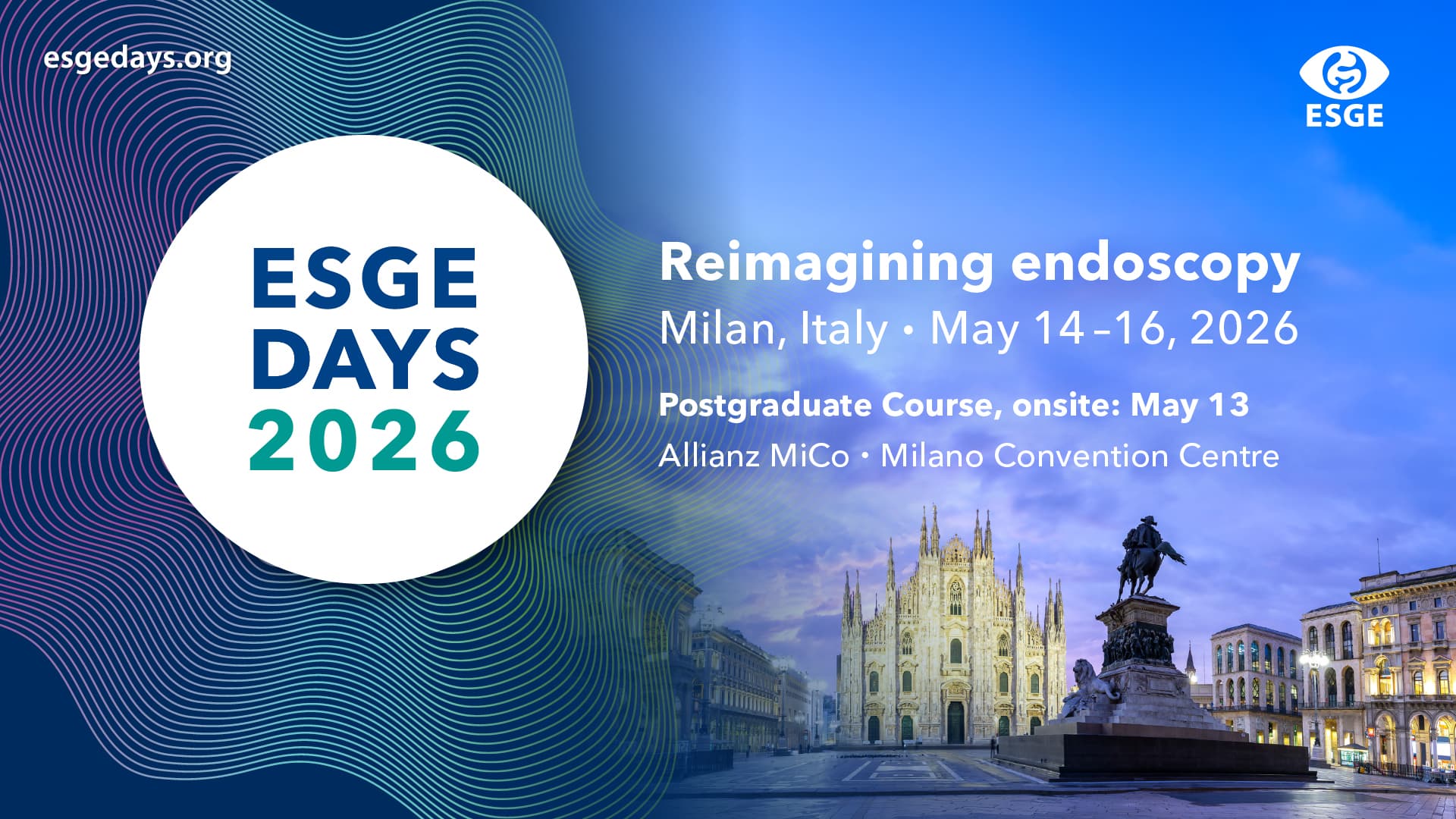
Event
RESUME Patient Engagement Study Selected for Presentation at ESGE Days 2026 in Milan

Publication
Dr. Lerner Contributes to National Delphi Consensus on Unsedated Transnasal Endoscopy Competency
From PubMed
Recent publications
Current treatment options in gastroenterology · 2026
Esophageal Dysphagia in the Elderly. (PubMed, opens in a new tab)
Chan MQ, Balasubramanian G
Obesity surgery · 2026
Geographical Disparities in Outcomes After Metabolic and Bariatric Surgery in Chicago: Insights from Four Major Academic Institutions. (PubMed, opens in a new tab)
Masrur MA, Laos EGM, Teitelbaum E, et al.
World journal of gastrointestinal surgery · 2026
Hospital outcomes and early readmission for the most common gastrointestinal and liver diseases in the United States: Implications for healthcare delivery. (PubMed, opens in a new tab)
Krishna SG, Chu BK, Blaszczak AM, et al.
Surgical laparoscopy, endoscopy & percutaneous techniques · 2026
Predictors and Outcomes Following Percutaneous Gallstone Lithotripsy, Lithectomy, and Dual Cholecystoduodenal Stenting. (PubMed, opens in a new tab)
Neely C, Husnain A, Teitelbaum E, et al.
The American journal of gastroenterology · 2026
Letter to the Editor. (PubMed, opens in a new tab)
Smith ZL
Get involved
Work with WIRE
We partner with people who want endoscopic research done rigorously, and done in a way that changes practice.
Investigators
Bring a clinical question and design the study with us, from protocol and endpoints to the analysis plan.
Participating sites
Join a WIRE-led multicenter study alongside partner institutions in the United States, Canada, and Europe.
Trainees
Students, residents, and fellows take projects from idea to publication with shared faculty mentorship.
Funders & sponsors
Support investigator-initiated research that is prospectively registered and transparently reported.